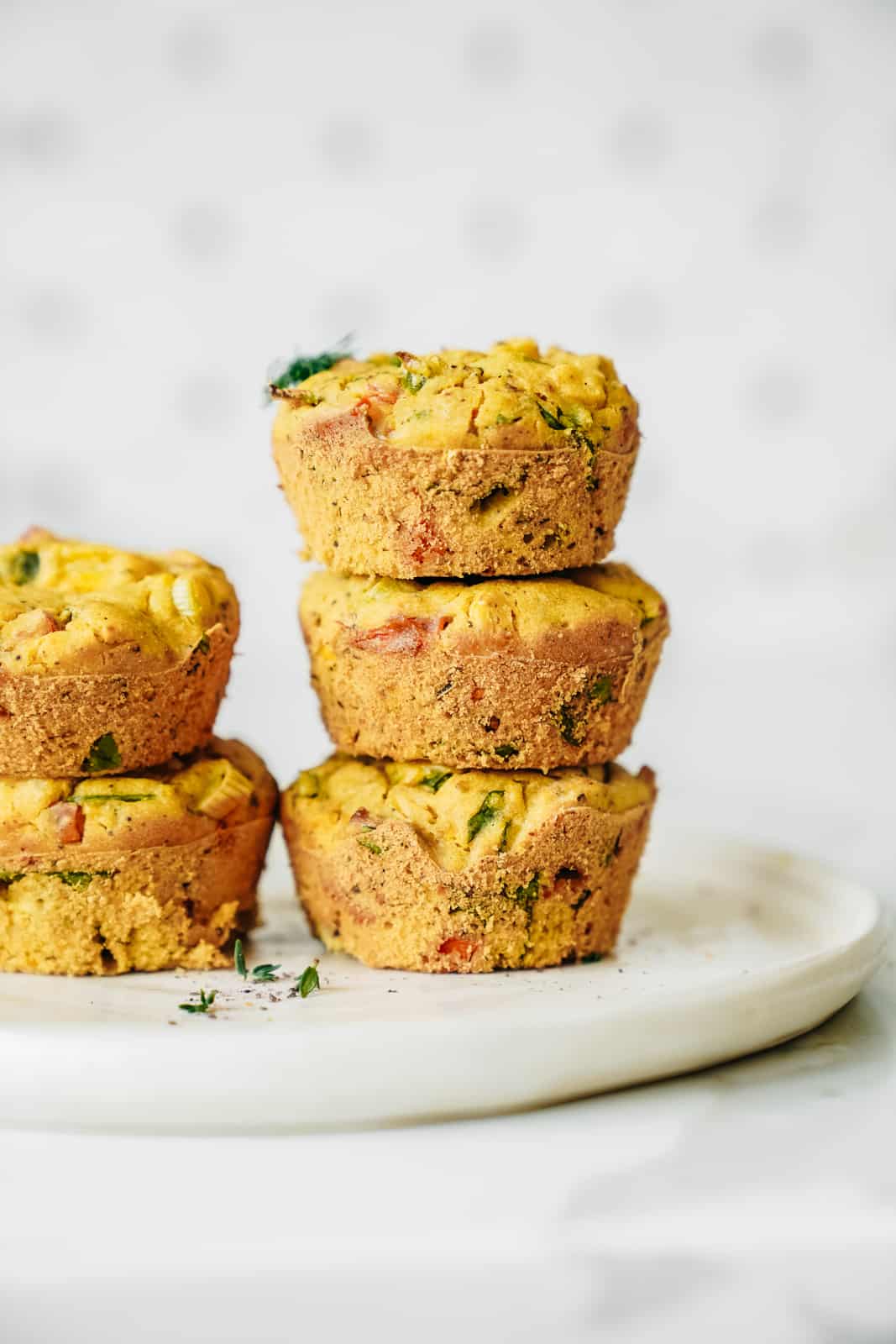
Unlock the Secret to Perfect Chickpea Flour Muffins: Moist, Fluffy, Never Crumbly
For many gluten-free bakers, the journey to a truly satisfying muffin can be fraught with disappointment. We've all been there: expecting a delightful, fluffy bite, only to be met with a dry, crumbly, or even cardboard-like texture. This is especially true when experimenting with alternative flours. But what if we told you that the humble chickpea flour, often relegated to hummus or savory flatbreads, holds the key to some of the most incredibly moist and flavorful muffins you'll ever bake?
Forget everything you thought you knew about gluten-free baking challenges. The secret to perfect chickpea flour muffins isn't about trying to mimic wheat flour; it's about embracing chickpea flour's unique properties and working with them. With the right techniques and ingredients, you can consistently achieve muffins that are wonderfully soft, packed with nutrients, and unbelievably delicious, whether you crave a sweet treat or a savory snack. Prepare to impress your family and friends (and perhaps even yourself!) with these game-changing protein-packed chickpea muffins.
Embracing Chickpea Flour's Unique Charm for Ultimate Moisture
The first step to baking outstanding chickpea flour muffins is to understand the flour itself. Chickpea flour, also known as gram flour or besan, is naturally gluten-free, rich in protein and fiber, and possesses a distinct nutty, earthy flavor. Unlike wheat flour, which relies on gluten for structure, chickpea flour needs careful hydration to prevent it from becoming dense and dry. Its high absorbency means it typically requires more liquid than traditional flours, and this is where many bakers initially go wrong.
Instead of battling its nature, we celebrate it! The goal isn't to make your chickpea flour muffins taste exactly like a wheat-based muffin, but to create a new, delicious experience that highlights the flour's inherent goodness. When properly hydrated and paired with complementary flavors, chickpea flour delivers a surprisingly tender crumb and a satisfying richness that sets these muffins apart. The key lies in selecting the right moisture-contributing ingredients and mixing techniques to unlock that perfect balance.
Mastering Moisture: Essential Ingredients and Smart Techniques
Achieving that coveted moist texture in your chickpea flour muffins relies heavily on a few star ingredients and crucial steps. This isn't just about adding more water; it's about incorporating ingredients that provide sustained moisture, richness, and structure.
The Power of Key Ingredients
- High-Quality Chickpea Flour: This is non-negotiable. Don't skimp here! Inferior or stale chickpea flour can be bitter and lead to a gritty, dry texture. Look for reputable brands like Bob's Red Mill or check the expiration date to ensure freshness. Fresh flour has a subtle, sweet aroma and a much better flavor profile, which directly impacts your final muffin's taste and texture. I've learned from too many disappointing batches that this single choice can make or break your muffins.
- Yogurt (Especially Greek): A true game-changer. Plain Greek yogurt adds incredible moisture, a delightful tang that brightens the overall flavor, and a dose of protein. Its thick consistency helps create a tender, resilient crumb. If you're opting for a vegan version, a thick, unsweetened plant-based yogurt (like almond or soy Greek yogurt) can work beautifully, though you might need to adjust the liquid slightly.
- Healthy Fats (Olive Oil or Others): Olive oil, particularly in savory recipes, contributes not only flavor but also essential moisture and a tender mouthfeel. Fats coat the flour particles, preventing excessive gluten development (even though there's no gluten here, fats help keep things tender) and adding richness. For sweet variations, a neutral oil like avocado or melted coconut oil can be used.
- Fresh Produce (Zucchini, Blueberries): These ingredients aren't just for flavor; they're moisture powerhouses!
- For savory chickpea flour muffins with zucchini, grating it finely and gently squeezing out *some* (but not all!) excess moisture with a paper towel is key. Too much liquid will make your muffins soggy, but removing all of it will leave them dry. It's a delicate balance!
- For sweet chickpea flour muffins with blueberries, the natural juices burst during baking, releasing moisture and creating pockets of deliciousness.
- Oil-Packed Sun-Dried Tomatoes: In savory recipes, these provide an intense umami and sweetness, but the oil they're packed in also adds to the overall moisture and fat content, contributing to a richer, softer muffin.
Smart Techniques for a Flawless Batch
- Thorough Greasing: Chickpea flour can be a bit stickier than wheat flour. Don't be shy with the muffin tin grease or parchment liners. This ensures your beautiful muffins release cleanly without crumbling.
- Optimal Mixing: Start by thoroughly combining the wet ingredients (yogurt, oil) with the chickpea flour to form a smooth base batter before adding your mix-ins. This ensures the flour is fully hydrated and prevents lumps. Overmixing after adding leavening agents can sometimes lead to tougher textures, so once the flour is incorporated, stir in your remaining ingredients until *just* combined.
- Batter Consistency: Your batter for chickpea flour muffins should be thick but spoonable, not runny like pancake batter, nor stiff like cookie dough. It should hold its shape when scooped into the muffin tin. If it looks too dry, add a tiny splash more liquid (water, milk, or yogurt) until it reaches the right consistency.
- Proper Filling: Fill muffin cups about 3/4 full. This allows for a good rise without overflowing, resulting in beautifully domed muffins.
- Baking Temperature: A moderate oven temperature (typically 350°F / 175°C) is ideal. It allows the muffins to cook through evenly, rise properly, and develop a golden exterior without drying out the interior.
Flavor Pairings: Sweet or Savory, Always Delicious
One of the most exciting aspects of baking with chickpea flour is its versatility. Its naturally nutty profile acts as an excellent canvas for both robust savory flavors and vibrant sweet notes.
Sensational Savory Chickpea Flour Muffins
Embrace the Mediterranean! Chickpea flour perfectly complements ingredients like sun-dried tomatoes, fresh basil, garlic, and a hint of cumin. Imagine a breakfast muffin that tastes like a mini quiche but is entirely gluten-free and packed with protein. Adding crumbled feta or a sprinkle of herbs de Provence can elevate the experience even further. These savory chickpea flour muffins are fantastic for breakfast, lunchboxes, or a quick snack.
Pro Tip: Don't be afraid to taste your savory batter before baking (since there are no raw eggs, it's safe!). This is your chance to adjust salt, pepper, or other seasonings to perfection. It should taste amazing even raw!
Sweet & Wholesome Chickpea Flour Muffins
If you have a sweet tooth, chickpea flour can deliver equally satisfying results. Paired with bright, zesty flavors like lemon and sweet blueberries, it creates muffins that are reminiscent of bakery treats but offer significantly more nutritional value. A touch of vanilla extract can also enhance the sweetness and mask any subtle earthiness from the flour, making them incredibly appealing, especially to those new to gluten-free baking. These protein-packed chickpea muffins make mornings truly nutritious and delicious.
Beyond the Recipe: Advanced Tips for Perfection and Preservation
Once you've mastered the basic techniques for moist chickpea flour muffins, here are a few extra tips to ensure consistent success and enjoyment.
Storage and Freshness
To keep your muffins tasting fresh and moist for longer, store them in an airtight container at room temperature for up to 3 days, or in the refrigerator for up to a week. For longer storage, chickpea flour muffins freeze beautifully. Once completely cooled, place them in a freezer-safe bag or container for up to 2-3 months. Thaw at room temperature or gently warm in the microwave or oven for a fresh-baked taste.
Troubleshooting Common Issues
- Muffins too Crumbly: Likely not enough moisture. Next time, ensure your ingredients (especially yogurt and oil) are accurately measured, or add a tablespoon more liquid. Also, check the freshness of your chickpea flour.
- Muffins too Dense/Gummy: Could be too much liquid, overmixing, or too much leavening agent. Ensure your baking powder/soda is fresh and measured precisely.
- Muffins Sticking: You guessed it – not enough grease! Liberally oil your muffin tin or use good quality paper liners.
Doubling and Customizing
Don't hesitate to double your favorite recipe! Chickpea flour muffin batters scale up very well. This is perfect for meal prepping or feeding a crowd. Feel free to experiment with other additions like chopped olives, different cheeses, or other herbs for savory muffins. For sweet versions, try chopped nuts, chocolate chips, or other fruits like raspberries or diced apples, ensuring you account for any extra moisture they might bring.
Conclusion: Your Journey to Perfect Chickpea Flour Muffins Begins Now!
Gone are the days of dry, crumbly gluten-free muffins. By understanding the unique properties of chickpea flour and embracing the power of moisture-rich ingredients like yogurt and fresh produce, you can create truly exceptional, never-fail chickpea flour muffins. Whether you prefer the savory notes of the Mediterranean or the sweet burst of lemon and blueberry, these protein-packed, fiber-rich treats are a testament to how delicious and satisfying gluten-free baking can be. So, grab your chickpea flour, preheat your oven, and prepare to embark on a delightful baking adventure that will change your breakfast and snack game forever!
